
- WEAR RESISTANCE
Electroless Nickel Phosphorus Plating
Uniform coating. Every surface. Every time.
- Electroless Nickel Phosphorus Plating
SUPER-STRONG, TIME-TESTED COATING SOLUTION.
KC Jones Plating Company brings more than six decades of expertise to electroless nickel phosphorus plating projects and offers a wide range of functional coatings. We operate several rack and barrel systems primarily for Big 3 automotive and for Tier 1 suppliers. KC Jones operates three electroless nickel lines at Hazel Park (including aluminum capabilities) and a fourth electroless nickel line at our Indiana Division in Columbia City, Indiana.
As a leading provider of cost-effective electroless nickel plating solutions that enhance corrosion and wear resistance, KC Jones can deliver superior results for your business. Contact our team to learn more.
Wear Resistance Properties
Wear is the loss of material from the surface of a product or substrate due to a mechanical action, such as abrasion or erosion. While limiting exposure to these conditions can be challenging or, in some cases impossible, the electroless nickel plating process can minimize their impact and increase the workpiece’s wear resistance.
An electroless nickel phosphorous coating provides increased harness. While the material is not as hard as chromium and other coatings, it provides sufficient protection in many industrial applications.
Lubricity is another area where a nickel phosphorous coating can increase a workpiece’s wear resistance. Because the material generates less friction than other coatings, it significantly reduces the risk of scarring. The finished product will have fewer surface imperfections that detract from its appearance and possibly limit its functionality.
Electroless nickel plating is also a highly ductile coating, meaning it is less likely to bend, break, crack, or shatter under pressure than a traditional nickel coating. This characteristic can contribute to better long-term performance and extend the product’s life span.
Electroless Nickel Phosphorous Industry Solutions
Electroless Nickel Phosphorus Plating SOLUTION & Benefits
Electroless nickel coatings offer uniform thickness, high hardness, and natural lubricity, which makes it a great corrosion protection and wear resistance option. To increase its wear-resistant capabilities, it can be treated by heat and by the co-deposition of particulate matter such as silicon carbide, diamond, alumina, fluorinated carbon, and polytetrafluoroethylene.
Common Applications for Electroless Nickel Phosphorus Plating
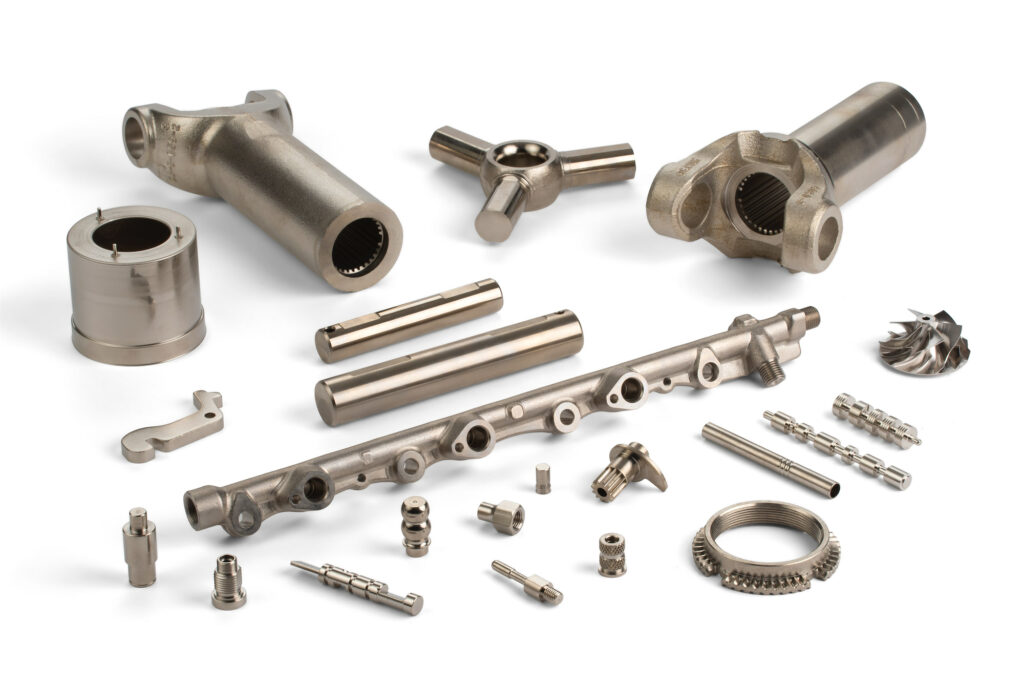
Based on its corrosion resistance, wear resistance, lubricity, and uniform deposit thickness, it is often applied to heat sinks, pistons, engine bearings, hose couplings, gear assemblies, carburetor parts, fuel injectors, shock absorbers, and exhaust system components.
Electroless Nickel Plating Phosphorus Content
Electroless nickel is a dense nickel alloy composed of nickel and phosphorus. Phosphorus content ranges from the low-end: 2% to high-end: 14%, depending on the specific application and performance requirements.
Electroless Nickel Plating Hardness
Low Phosphorus Electroless Nickel Plating (2-4%)
2 to 4% P coatings are microcrystalline and possess high deposit hardness (620 to 750 HK 100). These coatings are used in applications requiring abrasion and wear resistance.
Lower phosphorus deposits between 1 and 3% P are also microcrystalline. They are used in electronic applications and provide solderability, bondability, increased electrical conductivity, and resistance to strong alkali solutions.
Mid Phosphorus Electroless Nickel Plating (5-9%)
Mid phosphorus deposits between 5 and 9% P are widely used to meet general wear and corrosion resistance requirements, especially in automotive applications.
High Phosphorus Electroless Nickel Plating (10-14%)
Coatings with more than 10% P have superior salt-spray and acid resistance in a wide range of applications. They are used on beryllium and titanium parts for low-stress properties, which is why they are used frequently in the oil and gas industry.
Coatings with more than 11.2 % P are not considered ferromagnetic.
ENVIRONMENTALLY AWARE, NO MATTER THE APPLICATION
KC Jones employs newer, more environmentally friendly processes for its electroless nickel phosphorus plating. Regardless of the application, KC Jones EN meets the following initiatives, regulations, and specifications:
- Automotive End of Life Vehicle (ELV)
- Waste Electrical and Electronic Equipment (WEEE)
- Restriction of Hazardous Substances (RoHS)
Turn to the Experts at KC Jones Plating
Trust the experienced professionals at KC Jones for electroless nickel phosphorous plating and other essential metal finishing services. Take the next step and contact us to request more information. Our team will work to understand your company’s processes and applications to find the best solutions for you.
Overview
What Is Electroless Nickel-Phosphorus?
Electroless nickel-phosphorus (EN-P) is a chemical deposition process — no electrical current required. A nickel-phosphorus alloy is deposited uniformly across the entire part surface by an autocatalytic chemical reaction, regardless of geometry. That’s the defining advantage over electroplated coatings: every surface, every recess, every edge receives the same deposit thickness.
The result is a dense, hard alloy with excellent wear resistance, natural lubricity, and corrosion protection — in a single finish, in a single operation.
No heavy edges. No thin spots. Every surface gets the same deposit.
Key coating properties
Uniform deposit thickness
Consistent thickness on all surfaces — flat, complex, and internal geometries.
High hardness
500–750 HK as-deposited. Up to 1,000+ HK after heat treatment.
Natural lubricity
Lower friction than most coatings — reduces wear on mating surfaces without additional lubricants.
Corrosion resistance
Strong barrier against salt, moisture, and chemical exposure. Performance scales with phosphorus content.
Ductility
More resistant to cracking under stress than traditional electroplated nickel coatings.
Phosphorus Grades
Selecting the Right Grade
EN-P performance is tuned by phosphorus content. Lower phosphorus maximizes hardness; higher phosphorus maximizes corrosion resistance. Selecting the right grade for your application requirements is the first decision — KC Jones runs all three.
2 – 5% Phosphorus
Low Phosphorus
Max hardness — wear & abrasion focus
Hardness
620 – 750 HK as-deposited
Structure
Microcrystalline
Typical uses
- Abrasion & wear-critical components
- Electronics — solderability, bondability
- Increased electrical conductivity
- Alkali-resistant applications
5 – 9% Phosphorus
Mid Phosphorus
General purpose — wear & corrosion balance
Hardness
500 – 600 HK as-deposited
Structure
Mixed amorphous / microcrystalline
Typical uses
- Automotive powertrain & drivetrain
- General industrial wear applications
- Mixed corrosion + wear requirements
- Most common specification — broad industrial use
10 – 14% Phosphorus
High Phosphorus
Max corrosion resistance — acid & salt environments
Hardness
~500 HK — lower than low-P but max salt/acid resistance
Structure
Amorphous — non-ferromagnetic above 11.2% P
Typical uses
- Oil & gas — acid/salt environments
- Beryllium & titanium substrates (low-stress)
- Applications requiring non-magnetic finish
- Harsh chemical exposure
Applications
Industries & Common Parts
EN-P is specified wherever uniform deposit thickness, wear resistance, or corrosion protection matters — across a wide range of substrates including steel, aluminum, copper alloys, beryllium, and titanium.
Industries served
- Automotive — powertrain, drivetrain, fuel systems
- Aerospace & Defense — flight-critical components, precision housings
- Oil & Gas — valves, fittings, pump components
- Electronics — connectors, heat sinks, printed circuit components
- Industrial — hydraulics, pneumatics, heavy equipment
Common part types
- Pistons & cylinders
- Engine bearings & gear assemblies
- Fuel injectors & carburetor components
- Hose couplings & fittings
- Shock absorbers & suspension parts
- Heat sinks
- Exhaust system components
- Precision housings & enclosures
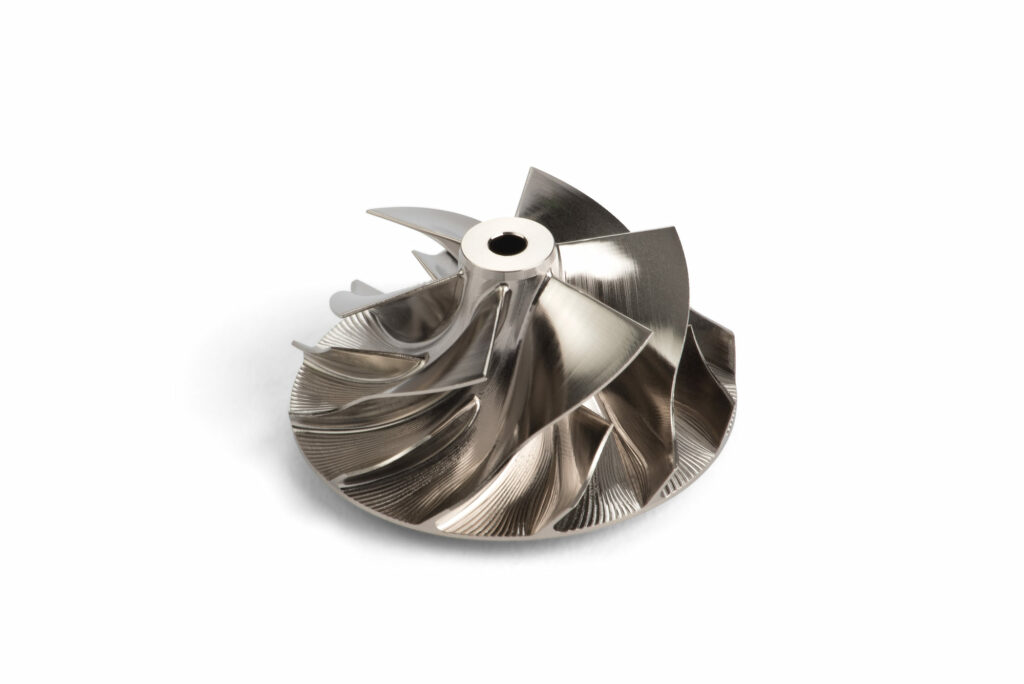
- Pump bodies & impellers
- Valve bodies & stems
Substrate capabilities
- Steel & stainless steel
- Aluminum (including Michigan facility capability)
- Copper & copper alloys
- Beryllium & titanium
- Cast iron
KC Jones Capacity
The Largest Electroless Nickel Operation in North America.
KC Jones operates more electroless nickel capacity than any other plating company in North America. Four dedicated EN-P lines across two facilities give you both the volume and the redundancy your program needs.
ISO 9001:2015 certified at both facilities. Rack and barrel capability across all EN-P lines.
Michigan — Hazel Park
- 3 dedicated EN-P lines
- Rack and barrel processing
- Aluminum substrate capability
- Serves automotive OEM and Tier-1 programs
Indiana — Columbia City
- 1 dedicated EN-P line
- Rack and barrel processing
- Automotive and industrial programs
- Centrally located for Midwest supply chains
Environmental Compliance
Compliant Processes. No Compromises.
KC Jones EN-P processes are formulated to meet global environmental and regulatory requirements. Compliance is built into our chemistry selection and process design — not retrofitted.
Our EN-P processes meet:
- RoHS — Restriction of Hazardous Substances
- ELV — Automotive End of Life Vehicle Directive
- WEEE — Waste Electrical and Electronic Equipment
Ready to Discuss Your EN-P Program?
Whether you have a full specification or just an application requirement, our technical team can help you select the right phosphorus grade and confirm KC Jones can run your program at the volume you need.